Showing posts with label Food. Show all posts

December 13, 2014

Такой разный чай: секреты напитка от чайного эксперта

Александр Мураховский
8 декабря 2014

Мы пьём чай чуть ли не ежедневно, но многое о нём не знаем. Мы пообщались с чайным экспертом Александром Платоновым, и он рассказал нам, какие бывают сорта чая, чем хорош пуэр и почему в чай не стоит добавлять ничего лишнего.

Вы укрылись пледом, включили любимый фильм или сериал и взяли кружку горячего чая. Именно так часто проходят вечера в холодное время года. И если с выбором любимых сериалов и пледа мы помочь не можем, то с чаем ситуация обстоит иначе. Мы задали несколько вопросов Александру Платонову, чайному эксперту и владельцу сети чайных бутиков «Артизан». Он рассказал о видах чая, его пользе и дал множество советов.

Александр Платонов
Александр Платонов
— Расскажите о видах чая. Лично я знаю только чёрный и зелёный. Это всё или есть и другие?

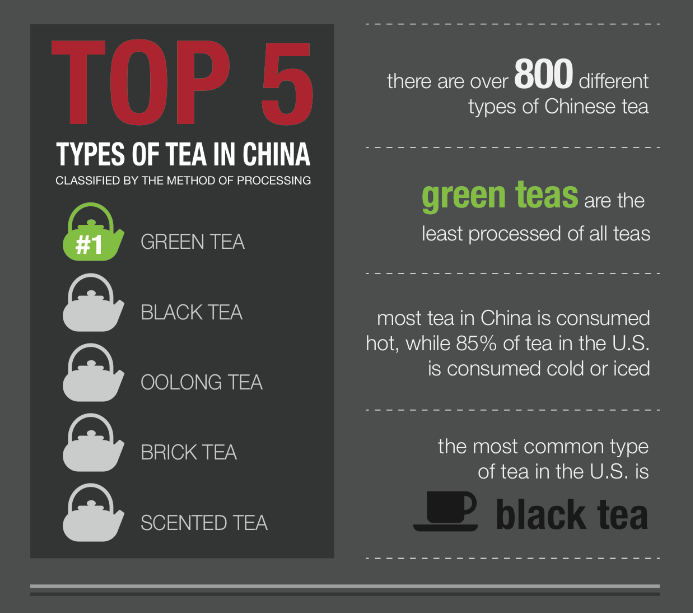
— Хотя есть несколько типологий, я разделяю чай на шесть видов: чёрный, зелёный, белый, травяные смеси, фруктовые смеси, экзотические напитки. К чёрным чаям я отношу дарджилинги, ассамы, выдержанные юннани, цейлоны и другие чаи с чёрным цветом листа. К зелёным — улуны, сенчу, порох из разных регионов мира. Белый чай — это скорее не сорт, а тип ферментации, но я выделяю его из-за особых свойств.

К травяным чаям относятся все смеси, где содержится больше лечебных трав или только они. Фруктовые смеси — это «чаи» из гибискуса, шиповника, сухофруктов и ягод. К экзотическим напиткам относятся ройбуш, ханибуш, мате, лапачо. Важно понимать, что цвет чайного листа определяется не типом куста, а способом заготовления чая и степенью ферментации.

— Есть ли от чая польза для здоровья? Или это просто приятный напиток?

— «Всё есть яд, и всё лекарство». С помощью чая можно принести здоровью и большую пользу, и большой вред. Поэтому важно знать его свойства. Если бы я попал на необитаемый остров и мог бы взять с собой только один мешок чая, я выбрал бы многолетний пуэр. Это чай максимальной ферментации, он много лет хранится в земле и приобретает специфический запах и вкус. Он нормализует содержание сахара и холестерина в крови и бодрит сильнее, чем кофе. Также он понижает кислотность, улучшает работу всех систем организма.

Если бы я мог взять 10 мешков, то все они были бы с пуэром! Но если бы мог взять три разных, то вторым я взял бы хороший улун. Этот чай обладает антираковым действием, выводит токсины, также борется с холестерином, помогает пищеварению. Но на голодный желудок и в больших количествах зелёный чай может быть опасен своей кислотностью, прежде всего для желудка и зубной эмали. Третий мешок был бы с пряным чаем, ведь в пряностях тоже столько пользы и удовольствия!

— Что можно добавлять в чай, кроме привычного и не самого полезного сахара?

— Хороший чай не требует сахара, лимона и других добавок. Только в чистом виде можно по-настоящему распробовать его вкус и аромат, угадать оттенок. Юннань пахнет дымком из деревушки у подножия чайных холмов, цейлон на вкус как горный мёд, ассам терпкий, и в нём есть нотки дикой сливы. Зачем лишать себя такого удовольствия?

— Как правильно заваривать чай?

— Чёрный чай правильно заваривать кипятком и настаивать 3–5 минут. Зелёный чай заваривают водой 80–90 °C, а настаивают по вкусу.

— Вы наверняка сталкиваетесь с необычными сортами чая. Расскажите о них.

— Необычными можно считать экзотические чаи. Я всем очень советую попробовать ройбуш, ханибуш, лапачо, правильно заваренный хороший мате. Ройбуш и ханибуш можно пить на ночь, они не имеют бодрящего эффекта, содержат много витаминов. Мате, напротив, очень сильно бодрит, способствует стройности и концентрации. Необычной бывает подготовка чайного листа, я имею в виду скрученные и связанные чаи — шары, жемчужины, гнёзда. Наблюдать за тем, как раскручивается зелёный шар и из него выплывают две гирлянды цветов клевера и иланг-иланга — это эстетическое удовольствие.

— Цена = качество? Есть ли смысл покупать самый дорогой чай?

— Жизнь коротка — имеет смысл покупать только хороший чай, а он стоит дорого. Нормальная цена за хороший чай в Москве от 500 рублей за 100 г и до нескольких тысяч. Но сама по себе высокая цена ничего не гарантирует. Доверяйте своему вкусу, покупайте чай только в хороших чайных магазинах, если в интернете, то у тех, кто имеет розничные точки, так как розницу проверяют на сертификаты безопасности.

Интернет-поставщики из Китая могут привозить опасный чай по химическим, радиационным, бактериологическим критериям. Кто был в Китае, хорошо меня понимает. Там есть как лучшие образцы чая, так и самые небезопасные.

— Дайте несколько «чайных» советов читателям.

Зелёный чай, заваренный менее 2 минут, будет бодрить, более 5 минут — успокаивать. Это связано с тем, что сначала высвобождается кофеин, а потом танины.

Если нужно резко взбодриться, выпейте чашку крепкого многолетнего пуэра, он бодрит сильнее кофе.

От похмелья вместо рассола поможет каркаде, он же гибискус, но этот совет не для людей с повышенной кислотностью в желудке. Этим людям поможет пуэр!
Ромашка с каркаде помогают при простуде.

Если вы дышите плохим воздухом и много стоите в пробках — пейте улуны.

Если при заваривании зелёного чая раскрывшиеся листочки имеют неровные коричневые края — это чай машинной сборки, красная цена ему — 200 рублей за 100 г! Хороший чай — это верхние три листа, собранные вручную.

Китайцы делят чаи не по цвету листа, а по цвету заварки. Поэтому чёрные они зовут красными, а некоторые чёрные и зелёные с виду — жёлтыми.

Глиняные чайники подходят только для натурального чая без фруктов и ягод, гурманы держат отдельный чайник под каждый любимый сорт чая.

Главный лайфхак — от всего и для всего просто пейте пуэр. Это самое полезное в мире чая!
©

March 28, 2012

January 3, 2012

China recalls cooking oil over excessive mildew as milk scandal evolves

A product safety watchdog in southern China has ordered a recall of the cooking oil suspected of containing high doses of a carcinogenic mildew that triggered public concern after it was found in milk products from a popular dairy.

The recall covers cooking oil produced by three companies in Guangdong province -- Fusheng Oil, Manyi Peanut Oil, Mabao Oil -- that contains excessive levels of aflatoxin, officials with the provincial bureau of quality supervision, inspection and quarantine said today.

The companies' storage facilities were closed and licenses revoked as authorities continue the investigation. Their factories were ordered to suspend operations.

It was not immediately known how much of the three companies' tainted products entered the market.

Aflatoxin is produced by a fungus that commonly grows on crops such as grains and peanuts. High levels of the toxin may lead to cancer in some animals.

The mildew recently caught the nation's attention after it was found in high doses in dairy products from the popular Mengniu Dairy Group. An initial investigation showed that the contamination was caused by mildewed feed given to cows in the dairy's plant in southwest Sichuan province.

Mengniu on Monday issued a public apology in an online statement, but insisted that the problem was discovered before the tainted milk could enter the market.
©

December 26, 2011

Carcinogen detected in milk

A BATCH of Mengniu milk was found to contain excessive levels of flavacin M1 - a substance linked to liver cancer, the country's top quality watchdog said over the weekend.

The Inner Mongolia-based Mengniu Dairy Group yesterday apologized to consumers and said the products involved have been destroyed.

The General Administration of Quality Supervision, Inspection and Quarantine said during a routine inspection flavacin M1 was discovered in a batch of boxed milk produced at the company's plant in Meishan, in the southwestern province of Sichuan.

Tests showed that the milk, produced on October 18, contained flavacin levels of 1.2 micrograms per kilogram - 140 times higher than the country's permitted level.

The batch did not reach the market, officials said.

Flavacin M1 is found in food mold and can cause severe liver damage, including liver cancer. In 1998, the World Health Organization listed flavacin M1 as a Class A carcinogen.

Mengniu accepted the inspection results and said that the products had since been destroyed.

The dairy giant has been involved in several scandals in recent years.

Last month, quality authorities in south China's Guangdong Province said Mengniu ice-cream contained high levels of bacteria.

In April, 251 pupils fell ill after drinking Mengniu milk at a school in the northwestern Shaanxi Province.

The company was also embroiled in the country's worst food safety scandal in recent years.

In 2008, Mengniu infant formula and other brands were found tainted with industrial chemical melamine. The problem milk left six children dead and sickened about 300,000.
©

December 10, 2011

Зимние чаи

С наступлением холодов, мы поинтересовались у наших знакомых китайцев, какими чаями они согреваются долгими зимними вечерами=)

Медово-цитрусовый чай

Ингредиенты:
половина апельсина
чай (желательно сорта Тегуаньинь)
3 цитрусовых леденца
2 чайные ложки меда
лимон по желанию

Инструкция:
1. очистить апельсин от шкурки (и белой пленки), поделить на дольки и нарезать кусочками
2. заварить чай (по вкусу), при желании капнуть несколько капель лимона
3. перелить заварившийся чай в другой чайник, процеживая через сито
4. добавить апельсин, леденцы и мед, настоять 5 минут.

Фруктовый чай:

Ингредиенты:

мандарин
половина апельсина
яблоко
чай (предпочтительно Пуэр)

Инструкция:

1. режем апельсин кружочками, яблоко дольками, дольки мандарина делим пополам – все это закладываем в чайник
2. завариваем чай и процеживаем его в чайник с фруктами, доливаем воды.

Имбирно-молочный чай

Ингредиенты:

черный чай
кусочек свежего имбиря (около 5см)
молоко

Инструкция:

1. кипятим молоко
2. завариваем чай и заливаем в него молоко (по количеству столько, сколько доливаем воды в заварку), даем настояться 5 минут
3 выдавливаем сок имбиря в чай
4. можно подсластить по вкусу

Подсказка: чтобы выдавить сок, нужно предварительно заморозить отрезанный кусочек имбиря в морозилке. После размораживания из него легко выдавливается сок.

Мятный чай

Ингредиенты:
пучок мяты
консервированный ананас
сушеный боярышник

Инструкция:

1. В чайник заливаем кипяток, кладем туда 3 столовые ложки консервированных ананасов
2. затем кладем столовую ложку боярышника (если он целиком, нужно порезать кружочками)
3. у мяты обрываем листочки и кладем их в чайник
4.настаивает 10 минут
5. для сладкоежек – можно добавить немного меда.
©

November 22, 2011

西红柿鸡蛋汤

суп_из_яйца_с_помидорами

Сегодня рецепт одного из самых популярных и любимых китайских супов – с яйцом и помидорами.

Ингредиенты:
2 помидора
1 яйцо
5-7 перьев зеленого лука
кусочек имбиря (примерно 5 см)
5 зубчиков чеснока
растительное масло
соль
кунжут
половинка куриного кубика

Инструкция:

1. Режем помидоры дольками, а лук, имбирь и чеснок кусочками (как на картинке)

2. В плошке взбиваем яйцо в однородную массу

3. в сковороде разогреваем масло, добавляем ч.л. кунжута, кладем лук, чеснок и имбирь, мешаем.

4. Обжариваем их до появления аромата и кладем в сковороду помидоры, мешаем.

5. Через 5 минут заливаем немного кипяченой воды, солим.

6. В это время в кастрюле кипятим воду с половинкой кубика.

7. В кипящую воду закладываем овощную смесь и заливаем яйцо, быстро перемешиваем, чтобы яйцо получилось хлопьями – выключаем.

Готово! Приятного аппетита)
©

November 19, 2011

Chinese Diet – 10 easy things you can do to lose weight

Eat your food family style
I used to hate eating family style, we steered away from these restaurants. I wanted what I wanted and didn’t want to share it with anyone. Now all of our meals are placed in the middle of the table.
Keep in mind that you don’t make 5 lbs of meatloaf and just throw it in the middle of the table. You make your normal three dishes; (what you would think of like your main dish and two side dishes) however you don’t make one larger than the other. They are all about the same size.

Use a smaller bowl – much smaller

Go into your cupboard and find your smallest bowl. Now that will be the bowl that you will eat out of. You can use your normal plates to serve your dishes on in the middle of the table. See you didn’t even have to get new bowls. How is that for easy.
You might be thinking how am I going to be full on just one bowl of food that small? Not to worry you are not limited to only one bowl, but every time you finish your bowl you have to consciously get more food. You pick what you want to eat and how much of it. By doing this you actually pick much much less food than someone would naturally serve you.

Vegetables are your main course
Vegetables dishes are what two of your three plates on your table are. For example you might have one plate of a cucumber dish, one of corn & carrots, and then another with ribs. If you wanted one night to have diced potatoes, chicken, and eggplant that would also be okay.
We were not fans of vegetables before either, but find a few dishes that your whole family loves and rotate those. Trust us.

Cut down on your meat & dairy

We eat very little meat. Most Chinese eat very little meat because it is expensive. We have opted out of eating lots of meat because it isn’t the main course of a Chinese diet and that is what we wanted. We found that meat is actually harder on the digestive system than we ever thought. After a night of heavy meat eating we all feel a little more lethargic.
If you love meat, then don’t cut down too much, but be conscience of how much meat you are eating versus veggies. If you are worried about the nutritional aspect of it make sure you introduce different protein dishes that are not meat. There are tons out there.
We eat very little dairy. It was hard at first coming from the cheese head state of Wisconsin. Cut it down and try to limit it to eggs, milk and yogurt. You will be surprised at how awesome you will start feeling.

Use chopsticks to eat

You don’t know how to use them. Well watch this little tutorial and then practice away. Remember practice makes perfect, JUST DO IT! We love eating with chopsticks and wonder why we didn’t use them more at home. They are so cheap to buy and are actually lots of fun once you get going. Our 4 year old Lupita now eats all of her food with chopsticks too and she is left handed.
You eat a lot slower, A LOT. I still have seen people shovel food with chopsticks so I know it can be done, but for most of us it is a lot harder to do so.

Introduce rice and noodles into your meals

A Chinese diet includes a lot of rice and noodles. So our daily diet is no different, we eat rice and noodles 3 times a day.
We have grown to love it. We feel like our meal isn’t complete if we don’t have some.
White rice and white noodles is the color of choice. The Chinese actually feel that brown rice is in the same category as the plague, they avoid it at all costs and find it a bit insulting. What about all of the calories and the carbs in white rice? These people have been eating it for thousands of years and look better, live longer, and are healthier than anyone else. So I will trust them and stick with my WHITE rice. Don’t fix it if it ain’t broken!

Eat your left overs – don’t waste food or the money you spent on it.

The Chinese know how to recycle and reuse things like no other society I have ever experienced. Coming from a consuming/disposing society this has been an eye opener. I will admit I really don’t enjoy left overs. I am not sure where my hatred for yesterday’s food comes from, but it has been there for sometime.
Now we don’t make enough food to feed an army, we just make enough and if there are some left overs they don’t turn gross in the fridge over night. I am guessing it is because there isn’t pounds of butter or grease so the food looks very similar to what it did the day before. We rarely throw out food.

Don’t deprive yourself of everything – just don’t gobble it.

Don’t think that we just sit around eating carrots and celery all day and that is how we lost all of our weight. We eat food we crave and love too. I am a sucker for a coke and a snickers bar. I don’t want to know how many calories are in there or how many carbohydrates. But I have one of my power pick me up doses about twice a week at least. Some afternoons I feel like I just need a little something to get me through the day and I run down to the convenience store and pick up my little snack.
We crave McDonald’s and so do our kids, so about once a week we have our American treat. We either choose McDonald’s or KFC. It is much more expensive to eat MCD’s here than it is in the US, so that keeps us away too. We do not deprive ourselves and feel bad about eating some food that we know is extremely bad for us. Anyone knows that depriving yourself of the little joys in life will only throw you off the wagon sooner.

Don’t keep a stocked pantry of snacks or “just in case food”

We come from a family that keeps food around in case the Apocalypse comes or maybe the next group of teenage boys. The problem with keeping all sorts of yummy food around is that you eat it when you aren’t suppose to. You might have will power, but we don’t!! Especially Zeek, he will go and snack on just about anything he can dig up at 11 or 12 at night. So we have eliminated having snacks around all together.
If you have kids you know that they can and want to eat many more snacks than we do. Remember, you are teaching them their eating habits now. When their metabolism dies like ours has they will begin to pack on the pounds and not know why. This is the time to teach them about healthy eating and snacking habits.
Everyone in China I encounter grabs an apple or some yummy fruit to snack on. That is considered their sweet, good food for thought.

Don’t use too many bottled spices, natural spices are best and really are all that you need.

This might sound odd, but it is true. We use to have about 30 bottles of spices in our cupboard. I admit that I didn’t know how to properly use 28 of them. In our Chinese diet we use about 4 or five different spices in total. They are ginger, garlic, oyster sauce, chives, and soy sauce. The ginger, garlic and chives are cut freshly and put into the dishes. Why not use fresh seasons if you can.
We believe it has helped with bringing out the natural flavor of our food and made all of our veggies extra yummy.

Yup that is it!!

No insane pills or equipment to buy, just a little common sense really.

How can you not love it!

It might sound just too easy, but we are living proof that it works.
©

November 12, 2011

Wolf in Sheep’s Skin: Fake and Contaminated Foods in China

When people think of food scandals in China, most people think of the 2008 melamine milk incident, in which six infants died and over 300,000 people fell sick, some with serious kidney complications. Sadly, that was by no means the first time China was host to abominable shortcuts when it came to food. Past incidents include soy sauce made from human hair collected from salons and hospitals (2003), stinky tofu fermented with sewage (2007), marinating duck in goat urine to pass it off as lamb meat (2009), and replacing the blood in pork blood pudding with formaldehyde, salt, food colouring and corn starch (2009).

While certain food scandals get cleaned up and cracked down upon by the government, new ones constantly crop up. So what are the ones that are turning consumers’ stomachs nowadays? Read on for the fake and contaminated food in China that is grabbing today’s headlines.

Wolf in Sheep’s Skin: Fake and Contaminated Foods in China
Photo: vancouversun.com

Fake:

1) Rice
News channels in Hong Kong, Korea and Vietnam went wild when it was revealed that some manufacturers were selling plastic rice for consumption in Taiyuan, Shanxi province, in 2011. The concoction, made with a blend of sweet potatoes, potatoes and plastic industrial resin, has mainly been sold to poor farmers. According to an employee of the Chinese Restaurant Association, three bowls of this fake rice is the equivalent of eating one plastic bag.

2) Baozi buns
Chinese officials have come out saying the multiple reports sprouting from Shanghai in 2010 on fake baozi buns were, well, fake – but most of the Chinese and expat population believe that the government is simply trying to save face. The buns are made from a combination of cardboard soaked to a pulp in caustic soda (a chemical used in paper and soap making), powdered seasoning and fatty pork. This type of shortcut is apparently used all over China, although the original report came out of Beijing.

3) Beef
Since pork is quite a bit cheaper than beef, some restaurants are simply soaking their cuts of pork in sodium borate, a detergent additive that gives it the texture and taste of real beef. The really scary part? Only five grams of this sodium borate is enough to kill a child, while for others it can cause long term poisoning, cancer and deformities. Marinating the cut of pork (or, in some cases, chicken) for only a couple hours can be enough to pass it off to the consumer.

4) Eggs
While eggs seem like a difficult item to fake, the practice has gained momentum this year. And while it is true that quite a process is involved, the cost effectiveness still makes it worthwhile for food scammers. So what exactly is in these fake eggs? That would be sodium alga acid, water, gelatine, baifan, sodium benzoate, lactones, carboxymethyl cellulose, calcium carbide, lysine, food colouring agent, calcium chloride, paraffin wax and gypsum powder, to be exact.

Not Quite What They Seem:

1) Wheat and rice flour
China sure loves its melamine. Mixing it into wheat flour and rice flour artificially increased protein levels in dog food (which was pretty much the same reason they mixed it into baby formula a few years ago) that was shipped overseas in 2007. This resulted in over 4,000 dogs dying after essentially being poisoned to death.

2) Noodles
Sweet potatoe glass noodles, particularly popular in certain Sichuan dishes, are supposed to be made of, well, sweet potatoes (sweet potatoe flour, to be exact). This gives them a transparent but blackish, purplish colour. In 2011, however, a few factories in Guangdong province decided to go a cheaper route and make them out of corn flour instead. And how did they achieve that unique colour? By mixing printing ink, green dye and paraffin wax (normally used to make candles).

3) Baozi buns
Consumers who thought buying baozi from a grocery store was more sanitary than buying it off the street were sadly mistaken when reports surfaced of buns that had passed their expiration dates being given new life by the manufacturer. These stale buns were simply mixed with water, yellow food colouring (which has been declared illegal), flour and so much artificial sweetener that it “exceeded national standards.” As many as 336,000 buns were then sold back to stores as new.

4) Mushrooms
An independent study found that over 81% of fresh mushrooms sold at markets contain levels of fluorescent bleach, which is used to make the mushrooms appear whiter and more recently picked. This study was done in Beijing in 2010 and promptly shot down by the government, but subsequent surveys in the media have found that most Chinese citizens believe the original findings. Luckily, this addition doesn’t seem to apply to dried mushrooms.

Obviously the effects of eating fake and tainted food are numerous. And while it is almost impossible to tell exactly how many people are suffering illnesses or diseases from tainted food in China, current Chinese estimates put the number well over 300 million citizens and cost over 168 billion Yuan a year, according to the Asian Development Bank. Sadly, until food safety is (seriously) moved to the forefront of government priorities, these cases will only multiply.

©

American Food Festival @ Corner's Deli

Food Export Midwest and U.S. Food Export Northeast in partnership with foreign foods supermarket Corner's Deli are holding an American Food Festival during October 8th to 23rd. More than 1,000 types of American food products are available at Corner's Deli outlets, with nearly 100 of which seeing Guangzhou shelves for the first time.

中信旗舰店:广州市天河北路233号中信广场BM后街SC-01单位10号铺
CITIC Plaza Flag Ship Shop: 10, Unit SC-01, Back Street BM, CITIC Plaza 233, Tian He Bei Road, Guangzhou.
TEL/ FAX: 020-38771400

珠江新城店:广州市珠江新城清风街广粤天地60、62、70号铺 (春田幼儿园对面内商圈)
Zhujiang New Town Shop: NO.60 ,62 and 70, The Canton Place Qing Feng Street, Zhujiang New Town, Guangzhou.
TEL/ FAX: 020-38339755

侨怡店:广州市天河北路侨怡苑侨怡一街43号首层
Qiao Yi Shop: 1st, Floor, NO.43, Qiao Yi 1st Street, Tian He Bei Road, Guangzhou.
TEL/ FAX: 020-38813919

汇景新城店: 广州市天河区五山路汇景新城汇景南路64号
Favorview Palace Shop: 64, Favorview Palace, Wushan, Huijing South Road Tianhe District, Guangzhou.
TEL/ FAX: 020-38627433

金湖店:广州市同和镇金宝岗沙太公路6公里处右侧(金湖花园内)
Golden Lake Garden Shop: Golden Lake Garden, 6km, Sha Tai Highway, Guangzhou.
TEL/ FAX: 020-87044499

For more information, please go to www.corner-s.com

©

October 24, 2011

Western restaurants in Guangzhou?

Where to Find the Best Burgers in Guangzhou

Residing in China often leaves you with the greatest cravings for Western meals. Even in a city as large as Guangzhou, tracking down your favorites from home takes some time and learning about the city. If your craving is for hamburgers, the best places to go not surprisingly read like a who's-who of expat hangouts, and if you crave company and community along with your burger, that's not an especially bad thing.

Find the Best Burgers in Guangzhou

Finding a good burger, or any burger at all, at restaurants besides these gets much harder. There are certainly numerous Western-style cafes around Guangzhou and countless other cities. However, only a minority of these will grill up a burger, and some are of dubious quality. Here is a roundup of six of the biggest, best and surprisingly creative burgers in Guangzhou.

1) Gail's

Gail's is one of the most popular Western restaurants in town, and hamburgers happen to be one of their most favored dishes, selling about one or two hundred every month. Gail's has been around since 2000, and has two locations now, both in downtown and in Panyu.

Varieties: Hamburger, Bacon Cheeseburger, Chicken Burger, Mushroom Blue Cheese Chicken Burger, Works Burger (with fried egg), Specially Burger (with hot chilis and sour cream)
Weight: About 200 g.
Buns: Homemade buns, toasted
Beef: Imported
Toppings: Anything you want
Sauces: Ketchup, mustard
Prices: 45-60 RMB

Add: 1/F Stars Building, 172 Huasui Lu, Zhujiang New Town, Guangzhou
地址:广州市珠江新城华穗路172号,星辰大厦首层02铺
Tel: 020 8350 1667, 3759 4226
Website: www.gailsplace2000.com
Directions: Take metro Line 3 to Zhujiang New Town and use Exit A2 or B1. Walk down Hua Cheng Avenue and turn left at the second crossing at Hua Sui Road. The restaurant is on your left at the end of the block.

2) Hooley's Irish Pub

Hooley's opened in 2007 and is run by some of the same folks that run Strange Brew listed below. They feature live music, open mic nights and sports, usually soccer and rugby. Hooley's serves classic hamburgers with fresh ingredients.

Varieties: Standard hamburger with a choice of cheese and bacon
Weight: 170 + g.
Buns: Homemade buns
Beef: Hooley's grind their own beef from North China. It comes from a company with Western management and a reputation for quality. In order to keep the taste and texture at its best, the beef has never been frozen.
Toppings: Lettuce, tomato, onion, caramelized onion and more
Sauces: Ketchup, mustard
Prices: 65 RMB

Add: 2 Tianhe Bei Lu, Tianhe District, Guangzhou
地址:广州天河北路2号冰花酒店1楼
Tel: 020 3886 2675
Website: www.hooleys-pub.com
Directions: Take metro Line 3 to Linhexi. Walk to Tian He Bei Lu, turn right and walk to the end of the block. It's at the bottom of the Bing Hua Hotel.

3) Strange Brew

Strange brew is another well-known eatery and haunt for Westerners. They recently closed down their old location and expect to open at a new location near Zhujiang New Town in May or June 2010.

Varieties: They have ten varieties of burger and a build-your-own ethic. Creations include the standard burger and cheeseburger, as well as such innovative belly-fillers as mango-chutney, barbecue-onion and wasabi-cream. The latter is their number-one seller.
Weight: Under 170 g. (they prefer the slightly smaller size, as the largest paddies can tend towards mushiness)
Buns: Freshly-made toasted ciabatta buns
Beef: Australian
Toppings: Lettuce, tomato, onion and anything else they have which you like
Sauces: Ketchup, mustard and mushroom-cheese along with a wide variety of hamburger sauces used on the specialty burgers
Prices: 40-65 RMB

Add: New location will be in Zhujiang New Town
Tel: 134 5022 7140
Directions: Will be close to Zhujiang New Town metro stop on Line 3

4) Cascade Cafe

Cascade Cafe gets plenty of Western customers as its located right in the landmark Garden Hotel. They serve many Western and Chinese favorites, including several standard burgers.

Varieties: Hamburger with a choice of cheese, bacon and fried egg
Weight: 180-200 g.
Buns: toasted hamburger buns
Beef: Local
Toppings: Lettuce, tomato, cucumber
Sauces: Ketchup and mustard
Prices: 78 RMB, including a side of fried potatoes

Add: 1 F Garden Hotel, 368 Huan Shi Dong Lu, Yuexiu District, Guangzhou
地址:广州市越秀区环市东路花园酒店1楼
Tel: 020 8333 8989 (This is Garden Hotel's number. They can connect you to Cascade Cafe.
Directions: Take Metro to Taojin on Line 5 and use Exit A. Walk to Garden Hotel. (It's right by the metro)

5) Paddy Field 田野酒吧

Paddy Field is practically an institution in Guangzhou, a lively Irish bar right in downtown with live music and plenty of sports, standing out for its penchant for rugby. They cook up several kinds of burgers, but will basically let you build your own.

Varieties: Hamburger, Cheeseburger, Chicken Burger, Veggie Burger (with a curry potato paddie and veggies)
Weight: Around 200 g.
Buns: Homemade toasted hamburger buns
Beef: Australian
Toppings: Just about anything you want – pineapple, bacon, mushroom....
Sauces: All homemade sauces. They'll give you anything they've got in the house.
Prices: 50-70 RMB

Add: 1/F Central Plaza, 38 Huale Lu, Yuexiu District, Guangzhou
地址:广州市越秀区华乐路34号广怡大厦首层1A
Tel: 020 8360 1379
Website: www.thepaddyfield.com
Directions: Take metro to Taojin on Line 5 and use Exit A. Walk to the back of Garden Hotel, which is right by the metro stop.

6) Lucy's

Lucy's is beautifully situated on Shamian Island close to the Pearl River, and it's hard to turn down their outdoor eating section amidst the Banyan trees. Lucy's cuisine is extensively varied, and includes several simple burgers.

Varieties: Hamburger, Cheeseburger
Weight: 180 g.
Buns: Toasted hamburger buns
Beef: Local
Toppings: Tomato, cucumber, onion
Sauces: Ketchup and mustard
Prices: 28-32 RMB

Add: 3 Shamian Da Jie, Shamian Island (next to White Swan Hotel ), Guangzhou
地址:广州市沙面岛沙面大街3号
Tel: 020 8121 5106
Directions: Take metro Line 1 to Huangsha and use Exit D. Cross over walking bridge, continue straight on and turn left after Victory Hotel. You will come to Shamian Park and Lucy's is within the park.
©

October 13, 2011

If You Have a Beer in China, Thank a Pole

You enter the gate, up ahead are a cluster of white tents. Soon the distinct smell of barbecue and beer is mixed with noisy conversations and shouts for ganbei. You take a seat with your friends and order a round of cold ones; it’s summer and it’s time to enjoy a beer festival in China.

You don’t have to look hard; it seems every major city in China is holding a beer festival or two these days. Beer is a big hit in China and is surprisingly consumed more than the traditional baijiu (rice liquor). That might seem odd to some; when most people think of beer China is not the first country that usually comes to mind. Yet China is both the largest producer and largest consumer of beer in the world. In 2009, 43 billion liters of beer were made in China alone and some reports predict that by 2015 one in every four beers consumed worldwide will be gulped in the Middle Kingdom.

That is a lot of beer! But how did beer get to be so big in a nation better known for its tea and kungfu kicks?

A little bit of history

Like most ancient civilizations, the Chinese had something that could be considered akin to modern day beer. As early as 7,000 B.C., Chinese were huddled over pots brewing a beer-like drink made of honey, rice and hawthorn fruit. Like early beer consumed in the Middle East, the Chinese often used the potent concoction in ancestor worship and religious rites, possibly even for some ancient beer festivals!

The drink remained in use all the way through the Zhou Dynasty, but then during the Han Dynasty the drink was quickly replaced by the more potent huanjiu (a non-distilled rice wine). By the time the Han Dynasty fell in 220 A.D., knowledge of how to make ancient Chinese beer had disappeared with the sands of time. It would take nearly 1,700 years for beer to make its reemergence in China.

A Russian? A Pole? A lover of beer!

By 1900 the northeastern Chinese city of Harbin was fast becoming a major stop on the Trans-Siberian railroad that connected Imperial Russia with its eastern seaport of Vladivostok. Russians and an odd assortment of eastern Europeans poured into the city which was rapidly developing a more Western feel. One of those that followed the railroad to the orient was a young Pole called Wroblewski. The young Wroblewski quickly noticed the Russian rail workers were hankering for something good to drink, so in 1900 he founded the first modern brewery in China using his Russian name, Ulubulevskij. That brewery is now known as Harbin Brewery and is home to one of China’s most popular modern brews, Harbin Beer.

In 1903, three years after Wroblewski opened the first modern brewery in China, German settlers did something similar in the coastal city of Qingdao when they opened a small brewery to cater to foreign workers in the area; that brewery now produces China’s most famous beer, Tsingtao.


By the formation of the PRC in 1949 these breweries became nationalised, yet beer production remained extremely localised, and was not as popular as the more traditional drinking options of huangjiu and baijiu.

Open and reform…let’s have a beer!

As is the case with many things in China today, the Open and Reform Policy of the late 1970’s completely changed the game for beer in China. As Chinese got more and more disposable income they started drinking more beer. In 1961 the average Chinese drank half a bottle of beer a year and by 1991, a little over ten years after China opened to the world, the average Chinese now consumes 27 bottles a year. Putting it numerically that is an increase from roughly 500 million bottles to nearly 33 billon bottles drank every year.

Foreign beer companies were quick to take notice and soon began to pour into China. By 1999 there were over 60 foreign companies invested in the Chinese beer industry, an increase from four in 1994.

Soon beer barons from the United Kingdom, America, Japan and Belgium were snapping up local Chinese breweries and heavily investing in larger ones like Harbin and Tsingtao. One of the biggest success stories is how UK brewery SABMiller took the little known Chinese beer brand Snow and turned it into the most consumed beer brand in the world in 2008. Even though international taste testers have said Snow “tastes like water”, it remains a big hit in China.

You can have a pale lager, a pale lager or a pale lager

While it is not hard to find a variety of beer brands in China today, it is still difficult to find a variety of beers. That is because almost all beer produced in China is a pale lager: the golden-coloured and hop flavoured goodness that originated in the hills of beer-mad Bavaria.

One reason why pale lager is so popular is because of the nature of the Chinese beer market, which is still fairly fragmented and offers producers low profit margins. In such an environment breweries focus on pale lager because it is cheaper and faster to produce than other types of beer. There are also those who say the Chinese palate might not be well suited for darker, bitterer beers because it reminds them of bitter traditional Chinese medicine.

The major players

So if you find yourself enjoying a nice brew at a beer festival in China this summer, just remember the popularity of beer in modern China would not have been possible without the efforts of an enterprising Pole who, just like the heavily foreign-invested breweries of China today, was just looking for a good way to make a buck from a mass of hot and thirsty workers aching for a good way to kick back and relax.

If You Have a Beer in China, Thank a Pole
Photo: chinadaily

Below are the four most popular beer brands in China today.

1) Snow
Produced by a joint-venture between SABMiller and China Resource Enterprises, the brand was taken from relative obscurity to the number one selling beer brand in the world. According to 2008 figures, it has captured roughly 18% of the Chinese beer market.

2) Tsingtao
There isn’t a foreigner in China who hasn’t enjoyed the crisp taste of a Tsingtao, and if you haven’t then you’re missing out. The brand, which in its history has been owned by Germans, Japanese, Americans and Chinese holders, is the number one Chinese beer overseas. It occupied a little over 13% of the market in 2008.

3) Yanjing
Proud sponsor of the 2008 Olympics, Beijing based Yanjing brewery is one of the cheapest and most widely drunk beers in China. In particular it dominates in northern China. If you live in Beijing, sometimes all a restaurant has is case after case of Yanjing. As of 2008, Yanjing controlled roughly 10.5% of the Chinese market.

4) Harbin
Even though Harbin brewery was the first modern brewery in China it has had a bit of a rocky history. Now, (99.66%) owned by American beer giant Anheuser-Busch, Harbin is making a big push and now controls over 5% of the Chinese market, and considering their recent advertisements in the 2010 World Cup, look for this to grow in the future.
©

May 3, 2011

Sri Lankan firm takes on tea giants

BBC NEWS
Wednesday, 3 July, 2002, 12:42 GMT 13:42 UK

By Frances Harrison
BBC correspondent in Colombo

A Sri Lankan family tea company is challenging the multinational control of the global tea industry.

Dilmah says it has become the third largest global tea brand by marketing its pure unblended Ceylon tea directly to the consumer in more than 80 countries worldwide.

The idea is to revive the image of Ceylon tea as the best and most expensive tea in the world.

The tea trade has become dominated by a few giants who buy up bulk tea from around the world and blend it together, losing the distinctive flavour of different regions.

Producers like Dilmah say the result is freshness and quality have been sacrificed to low cost and uniformity.

Growing concern

"Not only we as producers have lost out but you as a consumer have no choice."

"You have to buy a blend of teas like plonk in wine," says Merril Fernando, chairman of Dilmah Tea.

He demonstrates how tea-tasting is done, noisily slurping a mouthful of cold black tea, swishing it around in the mouth and then spitting it out.

He is concerned that the 20 to 30 different varieties of low and high grown Ceylon tea will disappear, if not in his lifetime then in that of his children who help him run the company.

The fear is they will be replaced by only three standard varieties, wiping out all diversity.

"There are very few small players now in the world tea market," explains Mr Fernando.

"Small operators like us survive because we do something different."

Unique

Dilmah's claim to be unique is that it boasts it sells the freshest tea in the world.

It says within 15 days of the leaves being plucked on the hilly estates in central Sri Lanka the tea has been processed and packaged in vacuum-sealed packets that keep the freshness in.

"With our product you can experience the taste of tea as you would taste it on a tea estate," say the men from Dilmah.

What has made this possible is the biggest tea plant in Asia, fully computerised with strict hygiene controls to meet European standards and capable of packaging 60,000 tonnes of loose tea a day.

Consumer's choice

Machines roll out 2,000 tea bags a minute including more than 20 fruit flavours as well as traditional types.

It is of course ironic that Dilmah should be producing tea bags when its chairman calls them "a ruthless desecration of all the beauty and romance of tea".

But sometimes the consumer has to get what he wants and it looks as if Dilmah tea is finding a market among more discerning tea drinkers.

The company entered the Australian market 12 years ago and now says it is the second best selling brand even though it is the most expensive on the shelf.

Dilmah tea also has now begun selling in Britain.

Quality tea

Every week Dilmah says it gets letters from tea drinkers around the world saying they have rediscovered the old-fashioned taste of tea they remember from their mother or grandmother's kitchens.

This company says tea has been a poor man's crop for too long and it's about time other producers followed suit and added value to their raw material.

They argue it's good for the industry as a whole because the extra profits can go into improving living conditions on the estates notorious for their grinding poverty.
©